5 Common Cold Weather Car Problems and How to Prevent Them
November has finally arrived, bringing colder mornings, darker evenings and unpredictable weather. While you might be wearing some extra layers before heading out, your car could also be feeling the effects of falling temperatures.
Cold weather can put extra strain on your vehicle and reveal problems you might not have noticed during the warmer months. Winter conditions can make existing faults worse, leading to potential unexpected breakdowns.
Cold mornings find the weak parts first. We recently paid £925 for a Smart Fortwo's alternator and £777 for an Alfa Romeo Giulietta's heater motor. A MotorEasy warranty covers both, from £30 a month. Get a car warranty quote.
From struggling engines to no heating, here are five common cold-weather car problems, how to spot them, and what you can do to prevent them from disrupting your journeys this winter.
1. Why won’t my car start in the cold?
There is no worse feeling than getting into your car on a cold morning, only to find the engine won’t start!
Lower temperatures can make it harder for your battery to provide the power needed to start your vehicle. In fact, RAC patrols deal with over 400,000 battery-related faults every winter, showing just how common cold-weather battery troubles can be.
How can you prevent it?
If your engine takes longer than usual to start or makes clicking noises, have your battery tested before temperatures drop further.
Repeated starting issues could point to a faulty starter motor or alternator, and those repairs aren’t cheap. Recent paid repairs include £925 for a Smart Fortwo alternator and £691 for an Audi A8 starter motor. If your car is no longer under its manufacturer’s warranty, a MotorEasy car warranty covers the starter motor and alternator.
Don’t let an unexpected fault leave you out in the cold. Get a MotorEasy Warranty quote and stay one step ahead this winter.
Read more: Why won’t my car start in the cold?
2. Why do my car windows keep misting up?
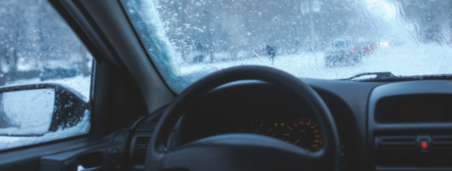
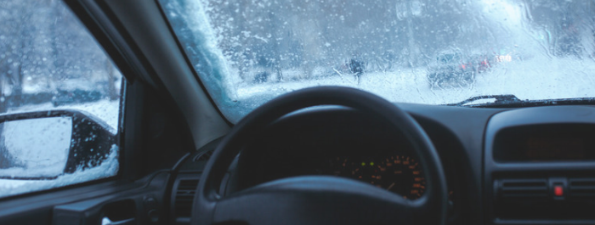
Cold mornings can quickly turn into a fight against condensation. When the moisture inside your car meets the cold glass, it can create a mist that can make it difficult to see clearly.
Damp carpets, poor ventilation and damp coats can all contribute to this.
How can you prevent it?
Use your demister and air conditioning to help remove moisture from the air. Avoid leaving any wet items inside your car overnight and keep your windows clean. If your windows are continuously misting up or you notice damp carpets, check for possible leaks, or book a winter service to have the cabin filter and seals checked.
Most importantly, never set off until you have a clear view through your windows.
Read more: how to demist your windscreen faster.
3. Why does my engine feel rough in cold weather?
It might be that your car hesitates when accelerating, makes a new and unfamiliar noise, or doesn’t feel as responsive as usual.
While this can be linked to the cold, it is important to note these symptoms can indicate an underlying mechanical fault.
The AA’s winter breakdown data found that intake and emissions problems accounted for 8% of callouts, while starter and alternator faults accounted for a further 6%.
How can you prevent it?
Pay attention to changes in how your vehicle performs, particularly if they happen frequently or are accompanied by dashboard warning lights. If one comes on, find out why your engine warning light has come on.
An engine fault found early is a warranty claim; found late, it’s a recovery truck. Don’t ignore serious warning lights or continue driving if your engine develops loud knocking noises. Stop somewhere safe, and with winter approaching, make sure you have the right protection in place. MotorEasy Breakdown Cover provides roadside assistance and recovery if an unexpected breakdown leaves you stranded in the cold.
4. Why aren’t my wipers clearing the windscreen?
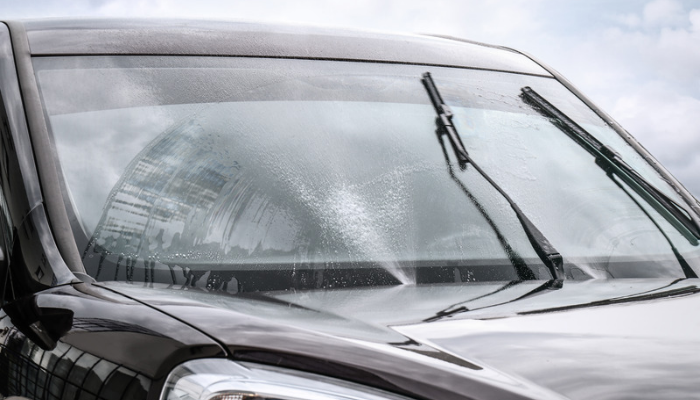
Winter brings more rain, road spray and dirty windscreens, making good visibility especially important.
Worn wiper blades can leave streaks, make squeaking noises or fail to clear the glass.
Regit’s winter driving guidance also warns against switching on wipers that are frozen to the windscreen, as doing so can damage the mechanism or cause an electrical fault.
How can you prevent it?
Check your wipers for signs of wear and replace them if they’re leaving streaks.
Use screen wash appropriate for colder temperatures and free frozen blades by hand before switching them on.
Never pour boiling water onto frozen glass, as the sudden temperature change can cause cracking and further damage.
If the wipers still won’t move, it could be the motor or linkage. Compare repair quotes from approved garages.
5. Why is my car heater blowing cold air?
A freezing drive is uncomfortable, but a faulty heater can also become a safety concern if your windows won’t demist properly. If your heating continues blowing cold air after the engine has warmed up, there could be an issue with the heating or cooling system.
Low coolant, a faulty thermostat or another mechanical issue may be responsible.
How can you prevent it?
Check your coolant level when the engine is completely cold, following the manufacturer’s instructions.
If you notice a persistent heating problem, coolant leaks or an overheating warning, arrange a professional inspection.
A faulty thermostat, heater motor or radiator is exactly what a car warranty pays for. One Alfa Romeo Giulietta heater motor cost £777 to replace.
Read more: how to change engine coolant and the five car leaks you shouldn’t ignore this winter.
Remember, your engine can still overheat when it’s cold outside!
Stay one step ahead of the cold
The first cold snap is a good time to pay attention to how your car is behaving. Spotting and addressing problems early could help prevent an inconvenient breakdown later, giving you greater peace of mind as temperatures continue to drop.
Price the cover before the cold does: get a car warranty quote or get breakdown cover. And keep an emergency breakdown kit in the boot. To see which faults your model is known for, check our reliability data.
Frequently asked questions
Why won’t my car start in the cold?
Cold slows the chemical reaction inside the battery and thickens the oil, so a tired battery or starter motor gives up first. If it clicks but won’t turn, it is usually the battery; if it turns but won’t catch, look at fuel, glow plugs or the starter.
Is a car battery covered by a warranty?
Batteries are a wear item, so most warranties exclude them. The parts that usually fail alongside them, such as the starter motor and alternator, are covered by a MotorEasy warranty.
Why is my car heater blowing cold air?
Low coolant, an air lock, a stuck thermostat or a failed heater motor. An Alfa Romeo Giulietta heater motor cost £777 to replace.