Is your car too clever for its own good? Touchscreens, driver aids and the repair bills they bring
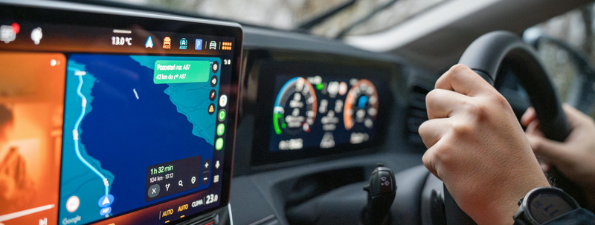
From touchscreens that take your eyes off the road to complex systems that push up repair bills, modern technology has transformed our driving experience. But has all this innovation made motoring easier, or has it created a few problems of its own?
Think about it: when did adjusting the heating become more complicated than turning a dial? And when did cars start reading speed limit signs, helping us stay in lane and even braking in an emergency? Traditional buttons have increasingly given way to large touchscreens, while a constant stream of alerts and beeps competes for our attention.
Clever to drive, expensive to fix.
One Peugeot 208 driver recently paid £938.72 to have their touchscreen fixed. A MotorEasy warranty covers in-car entertainment and sat nav as well as the engine and gearbox, from £30 a month. Get a car warranty quote.
Are car touchscreens dangerous?
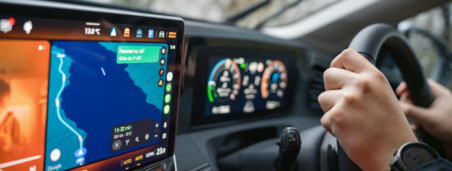
If you drive a modern car, you may have noticed how many traditional buttons and dials have been replaced by touchscreens and digital controls. These systems bring entertainment, vehicle settings and navigation together in one ‘easy to use’ place.
But are they making life easier for everyday drivers? Research from Allianz UK found that over 60% of drivers would prefer physical buttons in their vehicles, while a shocking 29% said they had had a near miss as a result of using a touchscreen in the last three years.
And it’s not just touchscreens that prove distracting. Recent research from Tempcover highlights concerns over technology such as lane-keeping assist. Its survey found that 37% of participants had disabled their driver-assistance features entirely.
These findings show how modern technology is affecting drivers, and raise questions about its purpose and, more importantly, its safety.
Helpful technology, with limitations
Of course, not all modern car technology is a bad thing. Automatic emergency braking can be invaluable in an unexpected situation, helping to prevent a collision or reduce how serious it is. Reverse cameras and parking sensors have also changed the way we drive for the better, letting drivers manoeuvre and park more confidently.
However, these systems are not foolproof. Cameras and sensors can be affected by rain and dust, which makes them less accurate and can lead to costly parking mistakes.
Lane assist and speed limit pop-ups can also struggle with faded or unclear road markings.
A Department for Transport evidence review published earlier this year looked at how drivers interact with advanced driver-assistance systems. It raised concerns that drivers overestimate what these systems can do, become less attentive and don’t fully understand their own responsibilities. Some cars now go further and monitor the driver too; we’ve covered that in your car is watching you.
The message is clear: technology should support the driver, not replace their judgement or attention behind the wheel.
Do driver assistance systems make repairs more expensive?
Beyond the complexity and potential safety concerns, there’s also the cost to consider. Modern cars are packed with driver-assistance systems and technology that rely on specialist, manufacturer-specific parts. That means even minor damage can lead to more complex repairs and much higher bills.
Thatcham Research found that the average cost of a collision repair rose by more than 50% between 2019 and 2024, and named growing vehicle complexity as one of the main reasons. For more on this, see why car repair costs are rising and the top 10 car repairs that cost more than a warranty.
That doesn’t mean drivers should be put off upgrading. But if you’re buying a car with more technology, it may cost you more in the long run.
The right protection helps keep those costs down. For a newer car, GAP insurance protects the price you paid while the car’s value is at its highest. For a used car, a MotorEasy warranty covers the repair bills, including in-car entertainment and sat nav. And if something does need fixing, you can compare repair quotes from approved garages.
How to stay in control
If you’ve already moved to a more high-tech car, or are thinking about it, a few simple habits will help you get the most from its features without letting them distract you.
- Set up before you set off. It’s easy to get distracted changing the navigation or music, or by speed limit pop-ups you don’t want. Adjust your features to suit you before you move off.
- Learn what’s essential. Your vehicle handbook tells you which warnings and messages matter and when. You can usually override the rest.
- Don’t rely on the technology alone. Parking sensors, reversing cameras and driver assistance systems are there to help, not to take over. Stay alert, check your surroundings and be ready to step in.
- Keep sensors and cameras clean and clear. Dirt, ice and other obstructions can affect how well they work. Check they’re clear, and always look around you when manoeuvring, because a camera lens can misjudge distance.
- Keep your car maintained. Regular servicing helps keep your car's systems working as intended.Take a look at MotorEasy servicing packages.
The answer? Clever is good, up to a point
As cars evolve, they’re becoming safer and more capable than ever. Used properly, their technology can make driving easier and safer.
The best technology helps you when you need it, and stays out of the way when you don’t. Which features you want supporting you is a personal choice, so take the time to decide what’s useful and what’s distracting… before you set off!
Thinking of upgrading? See how your car scores for reliability before you buy.
Before you buy the clever car, price the cover: get a warranty quote in 30 seconds.
FAQs
Are car touchscreens dangerous?
Not in themselves, but a large share of drivers say they’re distracting, and from 2026 Euro NCAP marks down cars that put core controls on a screen. Set up before you set off.
Can I turn off lane assist?
Usually yes, through the settings menu, but on most cars it switches back on with each journey.
Are touchscreens, sensors and cameras covered by a car warranty?
A MotorEasy warranty covers sudden electrical failures, including in-car entertainment and sat nav. Accident damage to a sensor or camera is an insurance matter. A Peugeot 208 touchscreen repair cost £938.72.