GAP insurance for PCP cars

PCP Car Loans & GAP Insurance
You don't think about it until it's already happened, but standard car insurance doesn't pay back what you owe if your car is written off or stolen. It pays back what your car is worth, today, at fair market value. On a PCP agreement, that can leave you paying the shortfall, because cars depreciate quickly, especially in the first year of ownership.
Say your car gets written off six months into a three-year deal. Your insurer calculates current market value at the time of the incident and settles on that. Meanwhile, the finance company still wants the outstanding balance. The difference between those two figures… that's yours to cover. Unless you've got GAP insurance.
What Is PCP Car Finance?
PCP (Personal Contract Purchase) is probably the most common way people buy new and nearly-new cars in the UK right now. The structure is worth understanding properly, because it shapes almost everything about why the GAP risk is real.
You put down a deposit. You make monthly payments over an agreed term (usually two, three, or four years). At the end, you choose: hand the car back, pay a final lump sum (the balloon payment) to own it outright, or use it as a deposit on your next car.
During the agreement, you don't own the car. The finance company does. You're paying to use it, with the option to buy at the end. Which means if it gets written off before then, the finance company is still owed whatever's outstanding on the agreement. Not some fraction of it, not a goodwill figure. Whatever's left. And that's where the exposure is.
What Is GAP Insurance on PCP?
GAP insurance covers the difference (the “gap”) between what your car insurer pays out and either what you originally paid or what you still owe on finance.
In the context of PCP specifically, it tends to be about the finance balance. Your insurer pays current market value. Your finance company wants the outstanding balance. Those numbers diverge fairly quickly on most PCP agreements, because cars lose value faster than finance balances reduce, especially in the first year or two of the term.
GAP insurance steps in to cover that shortfall. You're not left paying monthly installments on a car sitting in a scrap yard. The insurer clears the finance, and you can move on.
How GAP Insurance Works with PCP Agreements
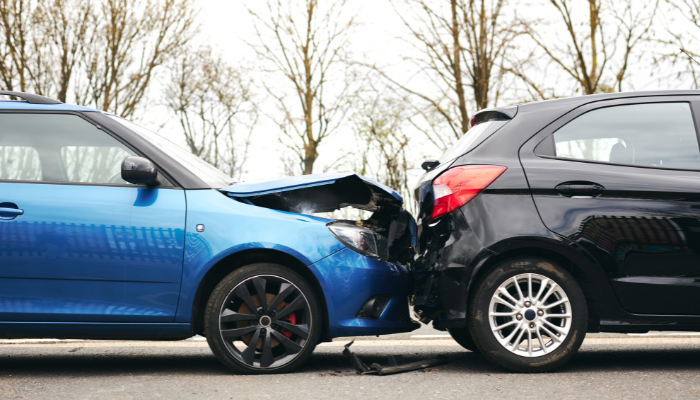
Let’s say you buy a car for £28,000 on PCP. You put down £3,000, so you're financing £25,000. Eighteen months in, the car is written off in an accident. Your insurer values it at £19,000 (the current market value), and that's what they pay out.
Your outstanding finance balance at that point? Still around £22,000, depending on your agreement terms. So: £19,000 paid out, £22,000 owed.
Without GAP cover, that £3,000 shortfall is your problem. With GAP cover, that shortfall is covered. You clear the finance, you're not tied to a car you no longer have, and you can start again.
Why PCP Cars Often Need GAP Insurance
Depreciation and Outstanding Finance
New cars lose around 15-25% of their value in the first year alone (this can be even more for EVs due to market volatility) . By year three, total depreciation is often between 40-60% of the original purchase price. Those aren't rough estimates rounded for effect - that's the actual range across most car models in the UK market.
PCP agreements are structured around a guaranteed future value, which is used to calculate your monthly payments. But the actual market value of your car can fall faster than the finance balance reduces, particularly in the first half of a longer agreement. The curve crosses in your favour eventually. The problem is the period before it does.
Insurance Payout vs Finance Balance
The instinct as a customer is to frame this as "insurers underpaying”, but that's not right. Comprehensive car insurance pays current market value because that's what it's designed to do. That's the contract. The problem isn't how insurance works. Really, the problem is the mismatch between a fair insurance payout and the finance commitment you still have running in parallel.

Types of GAP Insurance for PCP Cars
There are three main types. They solve slightly different problems, and which one's right for you depends on where you are in the agreement and what you're most concerned about covering.
Return to Invoice GAP
RTI covers the difference between your insurer's payout and the original purchase price: what you actually paid, including any deposit. If you bought at £28,000 and your insurer pays out £19,500, RTI covers the £8,500 difference.
For PCP specifically, this works well when your outstanding finance balance is lower than what you originally paid, which tends to be the case in the second half of a longer agreement, once the balance has meaningfully reduced.
Finance GAP Insurance
This covers the outstanding finance balance rather than the original purchase price. For most PCP drivers (particularly in the earlier stages of an agreement), this is often the most directly relevant option. It clears what you owe, and that's the actual problem.
Worth knowing: some policies such as MotorEasy cover whichever figure is higher (the finance balance or the original invoice price). That cover is worth looking for if you're comparing policies, because it gives you protection across the whole term rather than just one part of it.
Vehicle Replacement GAP
This goes further: instead of matching what you paid, it covers the cost of replacing your car with an equivalent current model. Given that car prices (new and used) have shifted considerably in recent years, this can be more meaningful than it sounds. The difference between what you paid eighteen months ago and what the same car costs to replace today might surprise you.
For most PCP drivers, Finance GAP or RTI will be sufficient. Vehicle Replacement GAP tends to make more sense when replacement costs have risen sharply relative to the original purchase price.
Is GAP Insurance Worth It on PCP?
For most PCP agreements, yes, because the risk profile of PCP is almost exactly what GAP insurance is designed for. The depreciation curve, the finance balance structure, the typical agreement length… it fits.
That said, "worth it" isn't a single answer for every driver.
The size of your deposit matters. A larger upfront payment reduces the finance balance from day one, which shrinks the potential gap considerably. If you put £8,000 down on a £25,000 car, your exposure is meaningfully different from someone who put down £1,500.
The length of your agreement changes things too. A four-year PCP on a new car carries more exposure in the early years than an eighteen-month deal on a low-mileage used car. The longer the term, the longer you're in the danger zone.
The model itself also makes a difference. Some cars hold their value considerably better than others. This is manufacturer-specific and market-specific rather than a general rule, but it's real. A car retaining 55% of its value after three years creates a smaller potential shortfall than one that's dropped to 38%.
And the cost of cover is low relative to the risk. If you're financing a car worth £20,000 or more over three years, that comparison doesn't require much deliberation.

How to Choose the Best GAP Insurance for PCP
A few things worth checking before you commit:
- Coverage type: finance GAP is often the right call for PCP drivers, but if you're further into a long agreement and the balance has come down considerably, RTI might give you more useful protection. Think about where you are now and where you'll be if something goes wrong in year one or two.
- Claim limits: some policies cap the maximum payout at a fixed figure. If you're financing a £32,000 car, a policy with a £7,500 maximum is not the same as one without a cap. This is the kind of detail that doesn't always obviously come up until the claim, which is exactly when it matters most.
- Negative equity coverage: if you've started a new PCP agreement with outstanding finance from a previous one rolled in (negative equity carried over), check whether the GAP policy covers that element specifically. A lot of standard policies don't, and a lot of people don't realise it.
- Timing: RTI GAP insurance generally needs to be purchased within 180 days of the vehicle purchase date. It can't be added years into an agreement. The earlier you sort it, the better (not least because the first year is when depreciation tends to hit hardest).
- Where you buy it: dealer-sold GAP insurance tends to cost considerably more than the same cover bought independently.
Frequently Asked Questions
Do I need GAP insurance on PCP?
You're not legally required to have it, but if you're financing a significant portion of a car's value over two years or more, the exposure can be risky (particularly in the first half of the agreement, when depreciation tends to run ahead of the balance reducing). Most PCP drivers benefit from it. Whether you’re one of them depends on the deposit, the term, and the car; but the default risk is always there.
What happens if a PCP car is written off?
Your insurer pays out current market value. Your PCP finance agreement continues until it's settled in full. If the insurance payout doesn't cover the outstanding balance, you owe the difference. If you have GAP insurance, that shortfall is covered.
Does GAP insurance cover outstanding finance?
Finance GAP insurance does, as that's what it's specifically designed to do. RTI GAP covers the difference between your payout and the original purchase price, which may be more or less than the outstanding balance depending on where you are in the agreement. Check which type you're looking at and make sure it matches the risk you're actually trying to cover.
Can you add GAP insurance after starting PCP?
Yes, within limits. Most providers require GAP insurance to be taken out within 180 days of the vehicle purchase date. After that, options narrow considerably. If you're approaching or past that window, contact providers directly (some have different terms, and it's always worth checking).
Is dealer GAP insurance more expensive?
Usually, yes; often significantly so. The same level of cover can cost two or three times as much when bought through a dealer compared with an independent provider. The underlying cover isn't always inferior, but the price usually is. It's worth getting a direct comparison before you sign anything in the dealership.
Summary: GAP Insurance for PCP Cars
PCP agreements create a specific financial mismatch that standard car insurance wasn't built to solve. Your car's market value falls faster than your finance balance reduces, and for much of a typical agreement, the two numbers don't line up. If the car is written off or stolen in that window, the difference is yours to cover.
GAP insurance is designed to close that gap. For most people on a standard PCP deal, the risk is real and the cover is low-cost relative to what it protects against. The decision gets more nuanced with a large deposit or a short agreement, but those are the exceptions, not the rule.
If the bill comes, the question is whether it comes out of your cover or your savings.