Warning Lights: What To Watch Out For
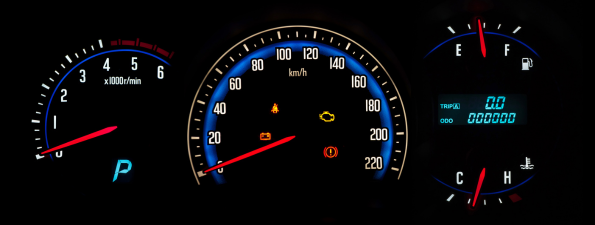
Warning lights on your dashboard are something no one wants to see. They can point to anything from a minor sensor fault to a serious problem that could leave you stranded or cause expensive damage, so it pays to know which ones need urgent action. Here are the most common and important car warning lights you need to know, what they mean and what to do when they appear.
If you have a warranty, the problem causing the light to come on may be covered, saving you a large repair bill. If your garage has quoted for a repair, check it is fair by giving MotorEasy a call. Our engineers can look through what is being charged and advise the best way to bring costs down.
Don't have a MotorEasy car warranty? Protect yourself against unexpected repair bills with comprehensive cover tailored to your car. Get a personalised quote today and enjoy greater peace of mind on the road.
For more information head to Lost In Translation hub.
What do the different warning light colours mean?
Most manufacturers use a traffic-light system, so the colour of a warning light tells you how urgent the problem is.
| Colour | What it means | What to do |
| Red | A serious or potentially dangerous fault | Stop as soon as it's safe to do so and switch off the engine. Don't continue your journey until the problem has been checked. |
| Amber/Yellow | Something needs attention, but it's not an emergency | You can usually keep driving with care, but get the car checked as soon as possible. |
| Green/Blue | A system is switched on or working normally | No action needed - for example, indicators, headlights, main beam (blue) or cruise control. |
It's normal for most warning lights to come on briefly when you start the car, as the system runs a quick self-check. If a light stays on once the engine is running, or appears while you're driving, it needs investigating. A flashing light is usually more urgent than a steady one.
Symbols can vary slightly between manufacturers, so if you can't find yours below, check your owner's handbook.
Red warning lights
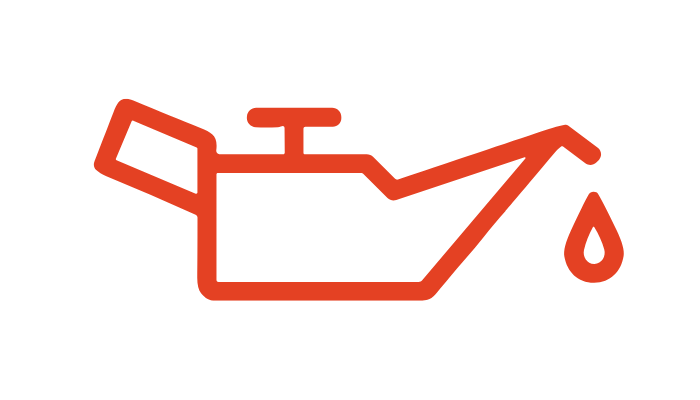
Oil Pressure warning light
Looks like: an old-fashioned oil can with a drip.
This is one of the most serious warning lights. It means the engine has lost oil pressure, usually because the oil level is too low or there's a problem with the oil pump. Without oil pressure, the engine can be badly damaged within minutes. A low oil level is usually due to an oil leak or increased oil consumption. Noticeable blue smoke from the exhaust could mean a worn engine that is burning oil.
What to do: stop as soon as it's safe, switch off the engine and wait a few minutes before checking the dipstick. Top up if the level is low. If the level is fine but the light stays on, don't drive on - call for recovery. Some cars also have a separate amber low oil level light, which means you should top up soon rather than stop immediately. You should always check your oil levels regularly and look for oil dripping when parked.
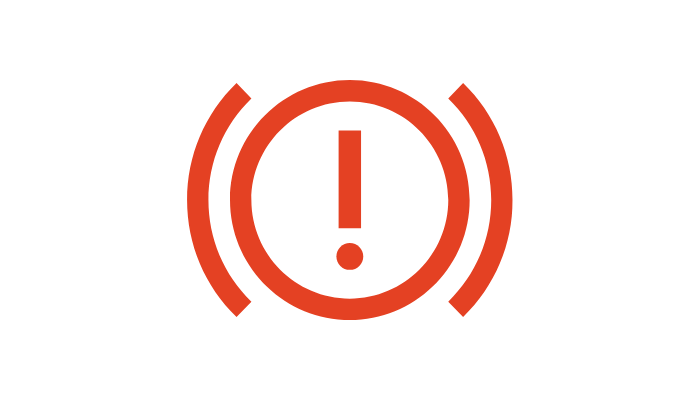
Brake system warning light
Looks like: an exclamation mark inside a circle, between two brackets (some cars show the word "BRAKE").
This light comes on if the handbrake is still applied, the brake fluid level is low or there's a fault with the braking system. There could be a leak in the brake fluid system itself.
What to do: check the handbrake is fully released. If the light stays on, stop when it's safe and check the brake fluid level. If the fluid is low, or the brake pedal feels spongy or travels further than usual, don't drive – call for recovery.
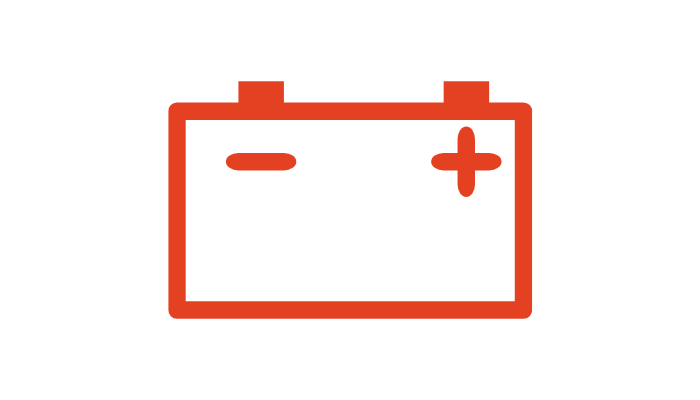
Battery / charging warning light
Looks like: a battery with + and – symbols.
Despite its name, this light usually means the charging system isn't working, rather than the battery itself being at fault. The car is running on battery power alone, so it may cut out once the battery drains. Common causes include a faulty alternator, a worn or snapped drive belt, or damaged wiring. If your car is sluggish to start and the headlights are dim, the battery may also be due for replacement.
What to do: switch off non-essential electrics such as the heater fan, heated seats and radio, and head somewhere safe. If the light came on with a squealing noise, heavy steering or a rising temperature gauge, the drive belt may have snapped – stop and call for help. Always keep a pair of jump leads in your car in case the worst happens.
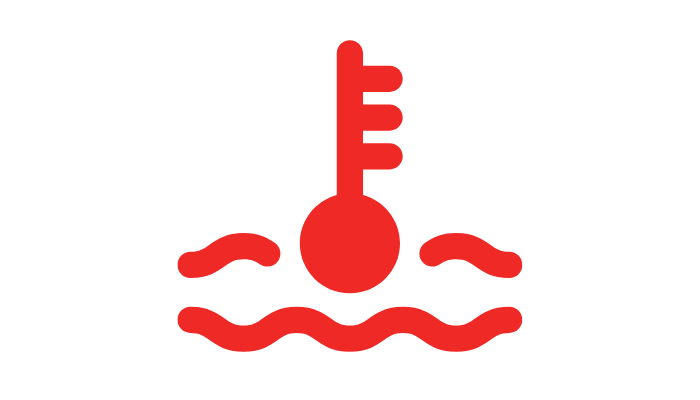
Engine temperature warning light
Looks like: a thermometer sitting in wavy lines of liquid.
This comes on when your engine has sensed that it's getting too hot and is at risk of damage from overheating. The cause is often low coolant from a leaking hose or radiator, but it can also be a faulty thermostat, water pump or cooling fan.
What to do: stop as soon as it's safe and switch off the engine. Let it cool for at least 30 minutes before checking the coolant level – never open the coolant cap while the engine is hot. Top up if the level is low. If the light comes back on, don't continue your journey, as driving an overheating engine can cause a head gasket failure.

Airbag warning light
Looks like: a seated person with a large circle in front of them (red on some cars, amber on others).
This light means there's a fault with the airbag system or seatbelt pretensioners, so the airbags may not go off in the event of an accident. It's an automatic MOT failure as well. The cause could be a simple sensor or wiring fault, often in the connectors under the front seats.
What to do: get it checked as soon as possible, as the airbags may not protect you in a crash until it's fixed.
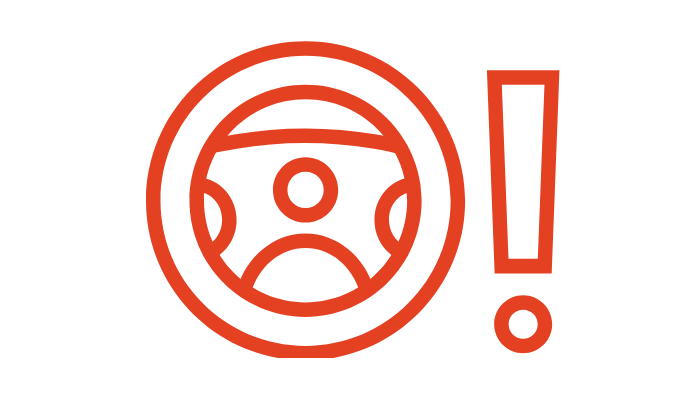
Power steering warning light
Looks like: a steering wheel with an exclamation mark (red or amber, depending on the car).
If this light comes on, your power steering may be disabled until the problem is fixed, which can make the steering much heavier. There could be a leak in the hydraulic system, or a sensor fault within the electronic power steering system.
What to do: find a safe place to stop. This can sometimes be fixed by turning the car off and on again after about 30 seconds, but if the light comes back on, there is a fault that needs checking. If the steering is still manageable, drive carefully to a garage.
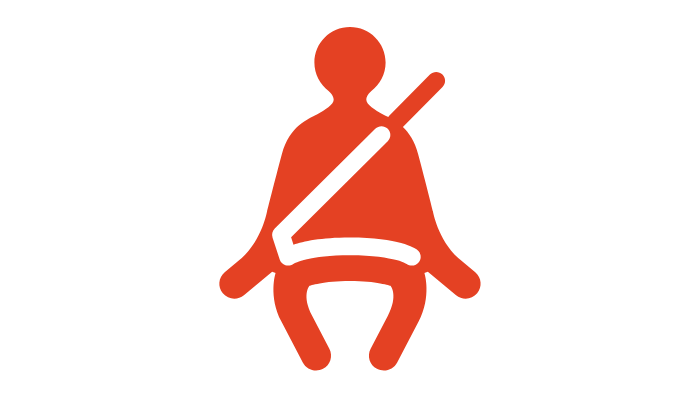
Seatbelt reminder light
Looks like: a seated person wearing a seatbelt.
This means the driver or a passenger isn't wearing their seatbelt, and is often accompanied by a beeping sound. If it stays on when everyone is belted up, a seat sensor or buckle may be faulty.
Amber warning lights
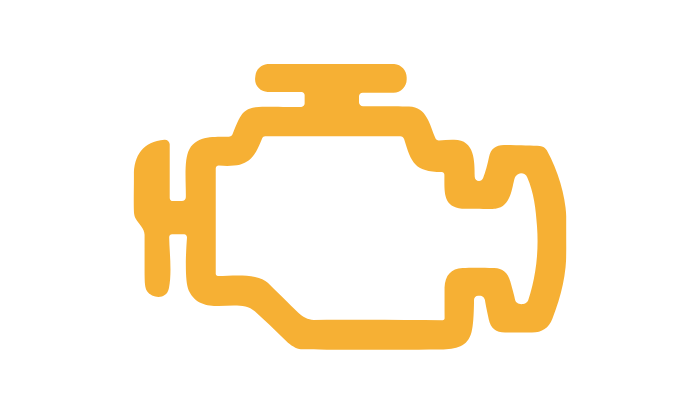
Engine management light
Looks like: the outline of an engine (sometimes with the words "CHECK ENGINE").
The engine management or ECU (electronic control unit) warning light means a sensor has detected a fault with the engine or emissions system. You may notice a lack of power or the engine making a strange sound, but it could just be a minor sensor failure.
What to do: if the light is steady and the car drives normally, you can continue carefully, but book a diagnostic check soon. If it's flashing, the engine may be misfiring – reduce your speed, avoid hard acceleration and stop when it's safe, as continuing can damage the catalytic converter. An illuminated engine management light is also an MOT failure.
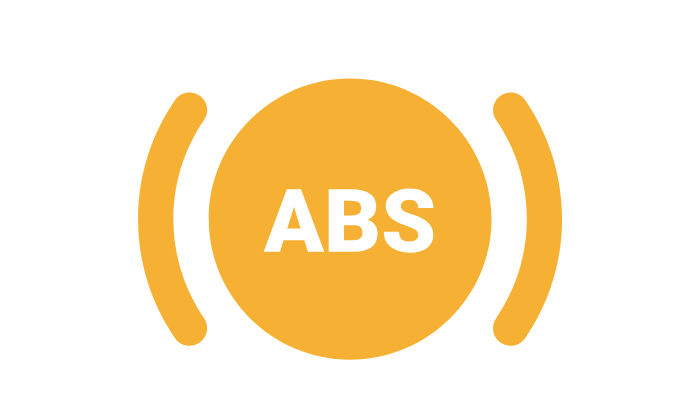
ABS warning light
Looks like: the letters "ABS" inside a circle.
This means there's a fault with the anti-lock braking system, which stops your wheels locking under heavy braking. Your normal brakes should still work, but the wheels may lock and skid if you brake hard. A faulty wheel speed sensor is a common cause.
What to do: drive carefully, leave extra stopping distance (especially in wet or icy conditions) and get it checked as soon as possible. It's also an MOT failure. If the ABS light and the red brake warning light come on together, there could be a serious braking fault – stop when it's safe and call for recovery.
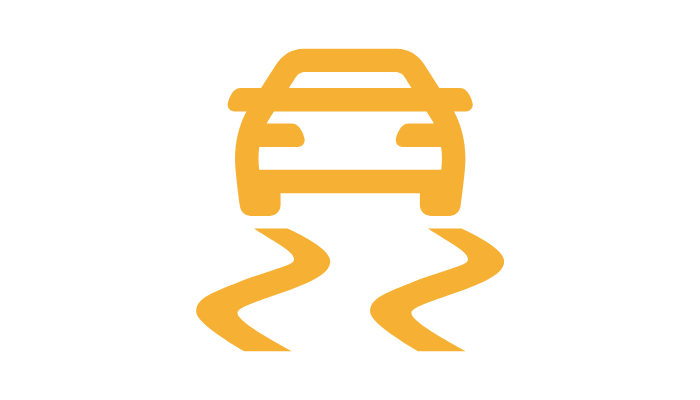
ESP / traction control warning light
Looks like: a car with two wavy skid lines underneath it.
The electronic stability programme (ESP), also called electronic stability control (ESC) or traction control, helps prevent skidding and loss of grip. If the light flashes briefly while you're driving, the system is working – usually because the road is slippery. If it stays on, there may be a fault. If it shows the word "OFF", the system has been switched off, possibly by accident.
What to do: if the light is flashing, ease off the accelerator and drive gently for the conditions. If it's showing "OFF", check whether the ESP button has been pressed. If it stays on in normal conditions, try switching the engine off and on again, and if it doesn't clear, get it checked. Because ESP shares sensors with the ABS, the two lights often appear together.

Brake pad wear warning light
Looks like: a circle with dashed brackets either side.
A sensor has detected that your brake pads are worn close to their minimum safe thickness. The light is designed to come on before the pads become dangerously thin, giving you time to have them replaced.
What to do: book a brake pad replacement as soon as you can. If you hear grinding when braking, the pads may have worn down to metal, which can damage the discs – stop driving and get them checked straight away. The wear sensor often needs replacing along with the pads.

Low coolant level warning light
Looks like: a coolant tank or thermometer with a low level line (the symbol varies between manufacturers).
Coolant absorbs heat from your engine and carries it to the radiator. This light warns you that the level is low, before the engine starts to overheat.
What to do: once the engine has cooled down, open the bonnet and top up the coolant reservoir to between the minimum and maximum marks, using the coolant type listed in your handbook. In an emergency, top up with water to get you to where you need to be, but have the coolant mix corrected afterwards. If the level keeps dropping, there's likely a leak that needs fixing.
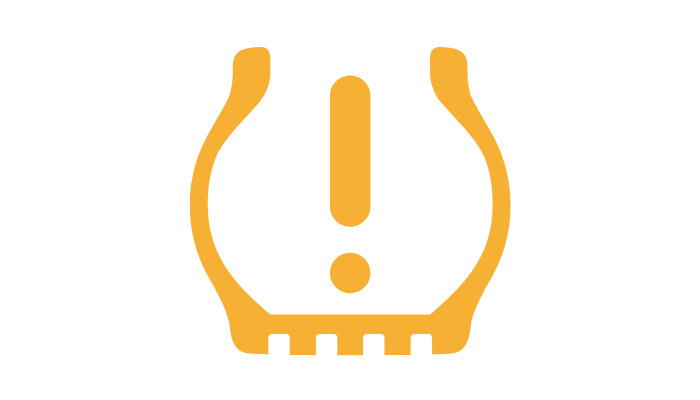
Tyre pressure warning light
Looks like: a horseshoe-shaped tyre cross-section with an exclamation mark.
This light comes on when the pressure in one or more of your tyres is too low and could cause unsafe driving conditions. It's usually caused by a slow puncture or gradual pressure loss over time.
What to do: reduce your speed, avoid sudden braking or steering, and stop when it's safe to identify which tyre is the problem. Inflate the tyres to the pressures in your handbook or on the sticker inside the driver's door. Some cars need the system resetting afterwards. If the light flashes and then stays on, the tyre pressure monitoring system itself may be faulty.
Remember both over and underinflation can cause premature tread wear and possible tyre failure.
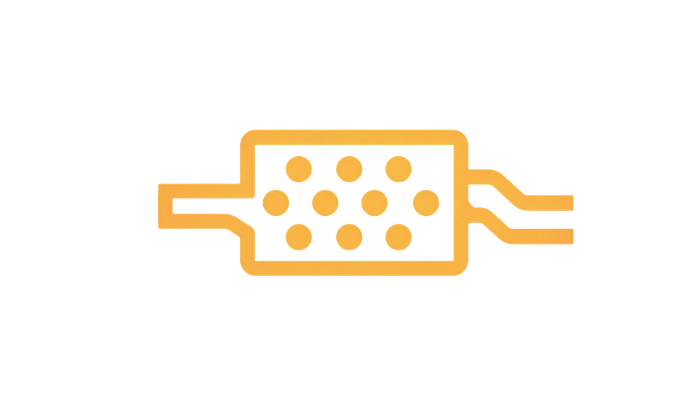
Diesel particulate filter (DPF) warning light
Looks like: a box with dots inside it, representing the filter and trapped soot.
This is an increasingly common warning light on diesel cars. It means the diesel particulate filter is becoming blocked by soot, which is common if you mostly do short journeys. This could be an expensive problem, but it could just need a regeneration.
What to do: if it's safe and legal to do so, drive for 10 to 20 minutes at a steady speed above 40mph, such as on a dual carriageway or motorway. This lets the filter heat up and burn off the soot. If the light stays on, or other warning lights appear, a garage may need to carry out a forced regeneration or clean the filter.

Glow plug warning light (diesel)
Looks like: a coiled spring or wire.
On diesel cars, this light comes on when you turn the ignition on, while the glow plugs warm the engine for starting. Wait for it to go out before starting the engine. If it flashes or stays on while you're driving, there's a fault with the glow plugs or engine management system that needs checking.

AdBlue warning light (diesel)
Looks like: a fluid tank with a dropper, or the word "AdBlue".
Many modern diesel cars use AdBlue to reduce exhaust emissions. This light means the AdBlue level is low. Top it up soon, because if it runs out, the car may not restart. If the light stays on after topping up, there may be a fault with the system.
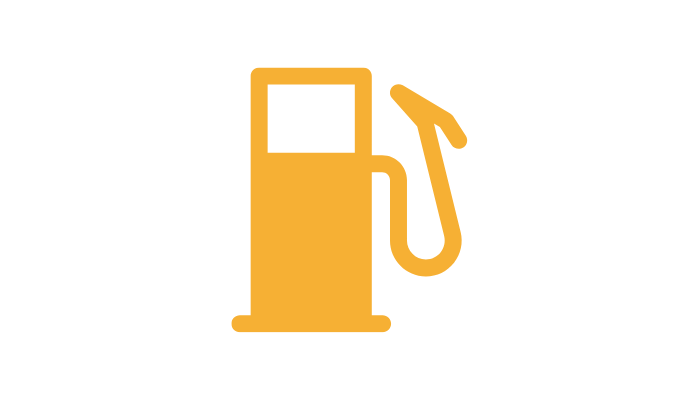
Low fuel warning light
Looks like: a fuel pump.
You're running low on fuel and should fill up soon. Regularly running the tank close to empty can damage the fuel pump, and running a diesel dry can let air into the fuel system.
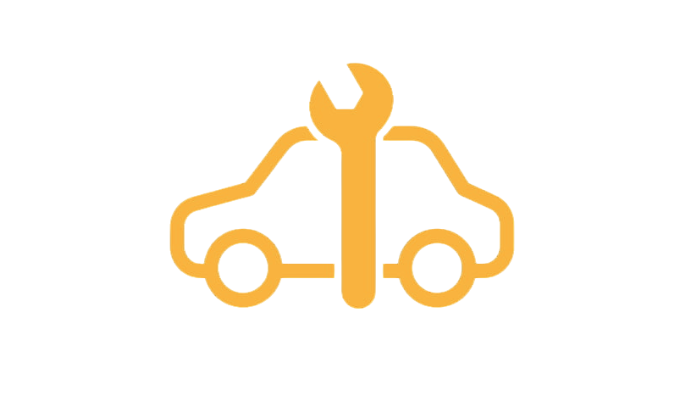
Service due light
Looks like: a spanner (sometimes with a car or a message on the display).
This is a reminder that your car is due a service, based on time or mileage. It isn't a fault warning, but keeping up with servicing helps prevent many of the problems in this guide. Get a service quote from MotorEasy.
Dashboard warning lights FAQs
Why do warning lights come on when I start my car?
When you turn on the ignition, most warning lights come on briefly as the car checks its systems. They should go out within a few seconds of the engine starting. If any light stays on, there's likely a fault that needs investigating.
Can I drive with a warning light on?
It depends on the colour and the light. With a red warning light, you should stop as soon as it's safe and not continue your journey. With an amber light, you can usually keep driving carefully, but you should get the car checked as soon as possible.
What is the most serious dashboard warning light?
The red oil pressure, brake system and engine temperature lights are among the most serious, as continuing to drive could cause major engine damage or affect your ability to stop safely. A flashing engine management light is also urgent.
What does a flashing warning light mean?
A flashing light usually signals a more urgent problem than a steady one. A flashing engine management light often means the engine is misfiring. The exception is the ESP/traction control light, which flashes when the system is working normally on a slippery road.
Will a warning light cause an MOT failure?
Several warning lights will cause an MOT failure if they stay on, including the engine management, ABS, airbag, brake fluid, electronic power steering, ESP and (on cars first used from 2012) tyre pressure warning lights. Book your MOT with MotorEasy.
How do I reset a dashboard warning light?
Most warning lights switch off by themselves once the fault has been fixed. Some, such as service reminders and tyre pressure lights, may need resetting through the car's settings or with a diagnostic tool. Clearing a warning light without fixing the cause won't solve the problem, and the light will usually come back on.
Why does my warning light keep coming on and off?
A light that comes and goes usually points to an intermittent fault, such as a loose connection or a failing sensor. Even if it goes out on its own, it's worth getting a diagnostic check before the problem gets worse.
Will my warranty cover a warning light fault?
The light itself is only a symptom, so it depends on what's causing it. Once the fault has been diagnosed, it may be covered depending on the part and your plan. Find out more about MotorEasy car warranties.
Spotted a warning light?
Never ignore warning lights on your dashboard. Report a fault with MotorEasy and our team will help you arrange a diagnosis and repair. If you're not sure whether it's safe to drive, stop somewhere safe and get advice before continuing.